

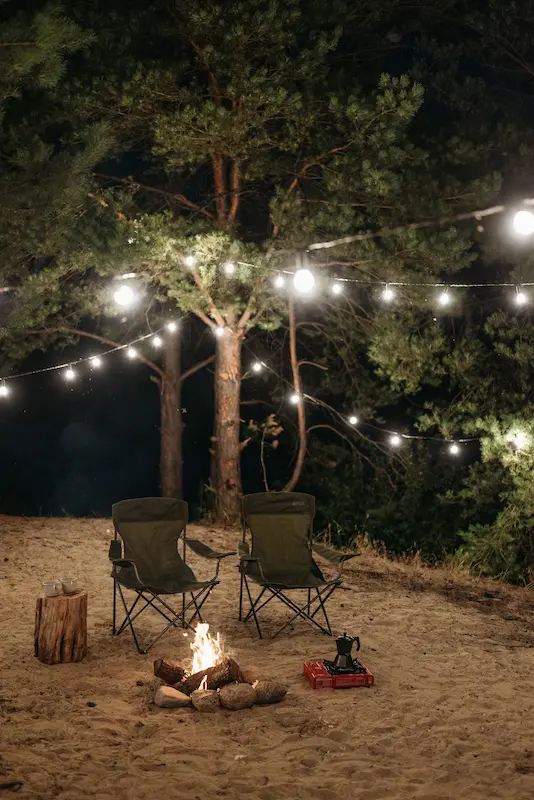
You finally got everyone loaded up, the tent’s staked down, and the fire’s crackling — but by 9 PM you’re shivering on a lumpy sleeping pad, fumbling for your phone flashlight, and wondering why “getting away from it all” feels this uncomfortable. If that sounds familiar, you’re not alone. Most people who swear off camping don’t dislike the outdoors — they just never figured out how to make camping comfy in the first place.
The good news is that comfort at a campsite has almost nothing to do with fancy gear. It’s a handful of small, deliberate choices that add up to a place you actually want to relax in. Here’s what actually works, based on what experienced campers keep coming back to.
Why Comfort Matters More Than Gear
There’s a persistent idea that “real” camping means toughing it out — thin pads, cold coffee, sitting on a log. But most seasoned campers will tell you the opposite: the trips they remember fondly are the ones where they felt at home outside, not the ones where they suffered the most.
Comfort isn’t about luxury. It’s about removing the small annoyances — a cold back, a bad night’s sleep, nowhere comfortable to sit — so you can actually enjoy the fire, the food, and the company. Learning how to make camping comfy is really just learning to spot which small things matter most.
How to Make a Tent More Comfortable
Your tent is your bedroom, living room, and storm shelter all in one, so it’s worth putting a little thought into it. A few adjustments make a noticeable difference:
- Add a rug or mat inside the door. Tracking in dirt and dew is one of the fastest ways to make a tent feel unpleasant. An interlocking foam mat or a small washable rug at the entrance keeps the inside cleaner and softer underfoot.
- Insulate from the ground up. Cold doesn’t just come from the air — it radiates up through the tent floor. A foam sleeping pad or an inflatable pad with a decent R-value (a rating for insulation, basically) makes a bigger difference than a thicker sleeping bag alone.
- Use real bedding when you can. If you’re car camping, there’s no rule that says you need a mummy bag. Flat sheets, a real pillow, and a blanket or two on top of your pad can turn a tent into something that actually feels like a bed.
- Orient your tent with your head slightly uphill. It sounds minor, but sleeping on even a gentle slope with your feet downhill keeps blood from pooling and helps you avoid sliding around at night.
- Keep a small bedside setup. A milk crate, a collapsible stool, or even a stuff sack can hold your headlamp, water bottle, and glasses within arm’s reach — no fumbling in the dark.
None of these require expensive gear. They’re really about treating your tent like a room instead of just a shelter, which is the core idea behind how to make camping comfy in general.
How to Make a Tent Trailer Bed More Comfortable
Tent trailers and pop-up campers solve a lot of comfort problems already — you’re off the ground and usually have a real mattress pad built in. But that stock pad is often thin, and the canvas walls mean temperature and noise still get in. A few upgrades go a long way:
- Layer a foam or memory foam topper over the factory mattress. Most built-in pads are on the firmer, thinner side. A two- to three-inch topper makes an enormous difference in sleep quality.
- Bring your own pillows and a familiar blanket. Small as it sounds, sleeping under something that smells and feels like home helps you settle in faster, especially on the first night of a trip.
- Add a rug or interlocking foam tiles on the floor. Trailer floors get cold and grimy fast. Soft flooring underfoot makes the whole space feel warmer and more like an actual room.
- Use blackout or privacy curtains. Canvas tent trailers let in a lot of early morning light. A simple curtain clipped over the window area helps you sleep past sunrise.
- Insulate the underside of the mattress if you camp in cooler weather. A folded wool blanket or foam pad underneath the mattress topper adds another layer between you and the cold night air coming up through the trailer floor.
These small changes matter because a tent trailer bed is really just a mattress with less insulation and more airflow than a house — treat it accordingly and it becomes genuinely comfortable.
Small Comfort Items That Make a Big Difference
Ask any group of campers what makes a site feel “homey,” and you’ll get a surprisingly consistent list: a favorite mug, a soft blanket, a chair you actually want to sit in. It’s rarely about the big-ticket gear.
A few worth prioritizing:
- A ceramic mug or wooden kuksa instead of a steel travel mug — it just feels nicer for a slow morning coffee.
- An insulated camp chair or one with a footrest, especially for evenings when the temperature drops.
- A washable outdoor rug for the space in front of your tent or under your camp kitchen setup.
- A dedicated set of soft bedding you leave packed in the car, so you’re never tempted to skip it “just this once.”
Lighting and Evening Ambiance
Harsh white light is the fastest way to make a campsite feel like a parking lot instead of a cozy retreat. Warm, low lighting changes the entire mood of an evening.
- Warm white string lights (look for ones labeled 2700K) draped through nearby trees or your tent’s guy lines add ambiance without overpowering the stars.
- Oil or eco candle lanterns give off a soft, flickering glow and can be gentler on the eyes than an LED lantern.
- A headlamp for hands-free tasks, kept separate from your ambient lighting so you’re not stuck wearing a bright light at the dinner table.
One courtesy note: if you’re at a shared campground, keep lights pointed downward and turn them off before bed. It’s a small thing, but it matters for your neighbors’ comfort too — camping etiquette is part of what keeps these spaces enjoyable for everyone.
Food and Drink Upgrades
Good food does more for morale than almost any piece of gear, and it doesn’t need to be complicated.
- Plan one genuinely good dinner per trip — cast iron cooking over the fire, a hearty stew, or foil packet meals all work well and don’t require much cleanup.
- Set up a proper coffee station. A percolator or pour-over kit and a real mug turn morning coffee into a small ritual instead of an afterthought.
- Try a warm drink for cool evenings, like hot chocolate with a splash of something warming for the adults, sipped by the fire.
- A checkered tablecloth clipped to the picnic table and a simple handwashing setup (a water jug with a spigot works great) shift mealtime from “survival mode” to something you’ll actually look forward to.
Fire and Cooking Setups
A fire pit does more than provide warmth — it’s usually the social center of the whole trip. If your campground allows it, a personal, contained fire pit gives you more control than a shared fire ring and is often more efficient with firewood. Pair it with a simple grill grate for easy cooking, and keep a small stash of dry kindling on hand so you’re not fighting a damp fire every evening.
Relaxation and Hobbies at Camp
Comfort isn’t only physical — having something to do with your hands helps you actually unwind instead of just sitting around waiting for bedtime. Coloring books, watercolor kits, knitting, or whittling are popular for a reason: they’re quiet, portable, and genuinely relaxing by firelight. Simple games like camping-friendly dice or lawn games are also great for groups, and stargazing is free entertainment that never gets old.
Practical Comfort Hacks
A few unglamorous items solve a surprising number of small annoyances:
- Baby wipes for a quick clean-up when a shower isn’t available.
- A portable camping toilet or bottle setup for overnight bathroom trips, especially useful for tent trailers or family camping.
- A designated bedside table (a milk crate works fine) to keep essentials off the tent floor.
- A consistent wind-down routine — reading, quiet conversation, or light stretching — to help your body recognize it’s bedtime, even with an unfamiliar setting.
Key Takeaways
- Comfort at camp comes from small, deliberate choices — soft bedding, good lighting, and warm food — not expensive gear.
- Learning how to make a tent more comfortable often just means insulating from the ground up and bringing real bedding when you can.
- If you’re wondering how to make a tent trailer bed more comfortable, a foam topper and your own pillows solve most of the problem.
- Warm lighting and one genuinely good meal per trip do more for mood than most people expect.
- A quiet hobby and a consistent bedtime routine help you relax and sleep better outdoors.
Recommended Products
If you’re building out a cozier camp setup, a good blanket earns its keep fast — for warmth around the fire, as an extra bedding layer, or thrown over a camp chair on a chilly evening.
- Overland Roamer Blanket — A soft woven throw with a laid-back van-life look, sized well for layering over a sleeping bag or draping across your lap by the fire.
- Wandering Warrior Blanket — A sturdier, southwestern-patterned throw that works equally well as extra ground insulation under a sleeping pad or as a cozy layer for evening chairs.
Related Reading
Continue Reading on Tropical Adelie
- How to Make Your Campsite Actually Cozy — a deeper dive into lighting, seating, and small setup choices that shift a site’s whole atmosphere.
- First Time Solo Camping? Here’s Why Cold Nights Catch Beginners Off Guard — useful if temperature and sleep comfort are your biggest concern.
- Why More Campers Are Choosing Glamping Over Roughing It — a look at why comfort-first camping has become so popular.
Recommended External Resources
- “Most Comfortable Way to Sleep in a Tent” — REI Expert Advice on choosing sleep gear and setting up for a better night’s rest.
- “What to Bring” — Camping — the National Park Service’s official guide to bedding, shelter, and comfort essentials.
- r/camping: “What little things make camping feel extra good?” — a real thread full of camper-tested comfort tips, from favorite mugs to cozy lighting setups.
Final Thoughts
Making camp feel comfortable isn’t about hauling your whole house into the woods — it’s about a few thoughtful choices that let you actually relax once you’re there. Start small: better bedding, warmer light, one really good meal. Once you’ve figured out how to make camping comfy for yourself, you’ll probably find you want to get outside a lot more often.