

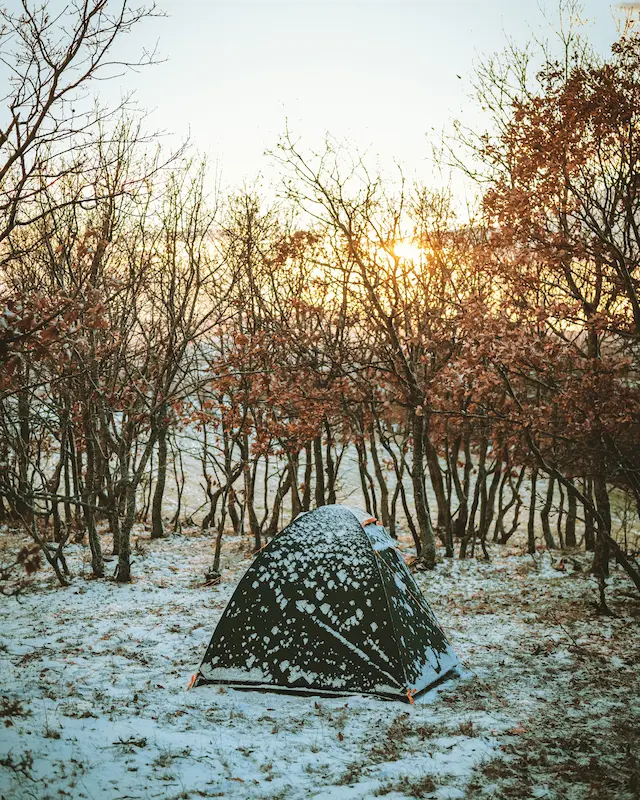
Planning your first solo camping trip is exciting. But one thing catches beginners off guard more than anything else: how quickly temperatures can drop once the sun goes down. Camping alone means there’s no one else to double-check your gear. No one to share body heat with. No one to make the call if things get uncomfortably cold. If you’re gearing up for your first time camping alone, understanding the real risks of dropping temperatures matters. It can make the difference between a memorable adventure and a genuinely dangerous night.
Nighttime Temperature Drops Are the Biggest Risk
One of the most common lessons learned the hard way during solo camping is this: nights get much colder than you expect. Campers who’ve been through it describe temperatures dropping far lower than anticipated. Sometimes down to around 10°F. That catches people without gear rated for that kind of cold. When your sleeping bag isn’t rated for the actual overnight low, the risk isn’t just discomfort. It’s hypothermia. And if you don’t have a sleeping bag at all, that risk climbs fast.
Seasoned campers point out something important. Hypothermia — not wildlife, not hunger, not thirst — is the single biggest danger in the backcountry. You can survive a night without food or water. Surviving a night without adequate insulation in freezing temperatures is a different story.
Gear Gaps That Make Cold Nights Worse
If you’re camping alone for the first time, it helps to know the gear mistakes that trip people up again and again:
- Forgetting a sleeping bag entirely. It happens more often than you’d think. Once you realize it at camp, your options narrow fast.
- Bringing a sleeping bag with the wrong temperature rating. A bag that’s fine for a mild fall night won’t cut it once the forecast turns colder.
- Overlooking small gaps in your shelter. Tent door seals can let in surprising amounts of cold air. This gets worse once wind picks up alongside dropping temperatures.
- Making multiple trips back to the car. Forgotten essentials like a raincoat or headlamp burn daylight and energy you may need later.
Every one of these is an easy fix if caught early. But on a solo trip, there’s no camping partner to spot what you missed. Not until you’re already miles from the trailhead.
Do You Stay or Hike Out? The Cold-Weather Dilemma
When a first solo camping trip goes sideways because of the cold, campers generally face two choices. Hike back out, or shelter in place until morning. Both carry real trade-offs.
Hiking out at night means dealing with darkness, uneven terrain, and exhaustion. All of that raises the odds of a twisted ankle, getting lost, or worse. Longer or rougher trails make a night hike considerably more dangerous. So do river crossings and snow-covered sections. Some experienced campers won’t attempt water crossings, snow, cliffs, or scrambles in the dark under any circumstances.
Sheltering in place is often the safer default. Layer up with every piece of clothing you have. Use your tent or vehicle for insulation. Wait for daylight before deciding what to do next. Some campers who’ve dealt with a missing sleeping bag have gotten through the night with an improvised setup. Extra clothing, a spare blanket, or tent material has been enough to make it to sunrise.
Backup Plans for Cold-Weather Emergencies
If you’re camping alone and the temperature drops more than expected, a few strategies can help you get through the night safely:
- Sleep in your vehicle if one is nearby. Wear every layer you packed. Use a car mat or blanket for extra insulation. Run the heater in short intervals, using a timer to switch it on and off, to conserve fuel while staying warm.
- Keep a fire going if conditions allow. A steady fire provides warmth. It can turn an otherwise miserable night into a manageable one.
- Treat it like a “lost in the woods” situation. When in doubt, prioritize shelter and insulation over movement. Wait for daylight before making bigger decisions.
Final Thoughts for Your First Solo Camping Trip
Camping alone for the first time is a great way to build confidence and self-reliance. But cold weather doesn’t care how experienced you are. Double-check your sleeping bag’s temperature rating against the actual forecast. Inspect your tent for drafts before you leave. Always have a backup plan for staying warm if something goes wrong. The wilderness has a way of teaching lessons quickly. When it comes to solo camping, staying warm through the night is one lesson best learned before you need it.
More Resources for Cold-Weather Camping Safety
REI Expert Advice — Understanding Sleeping Bag Temperature Ratings
Learn the difference between a bag’s “comfort” rating and its “lower limit” rating before you buy — the number on the tag isn’t always the temperature you’ll actually stay warm at.
🔗 rei.com/learn/expert-advice/understanding-sleeping-bag-temperature-ratings.html
REI Expert Advice — How to Choose a Sleeping Bag for Camping
A practical buying guide covering bag shapes, fill types, and how to pick the right warmth level for your trip — useful reading before any first solo camping trip.
🔗 rei.com/learn/expert-advice/sleeping-bag.html
CDC — Recognizing Hypothermia
A quick-reference guide to hypothermia symptoms (shivering, confusion, slurred speech, drowsiness) so you can catch the warning signs early, in yourself or others.
🔗 cdc.gov/natural-disasters/psa-toolkit/recognizing-hypothermia.html