

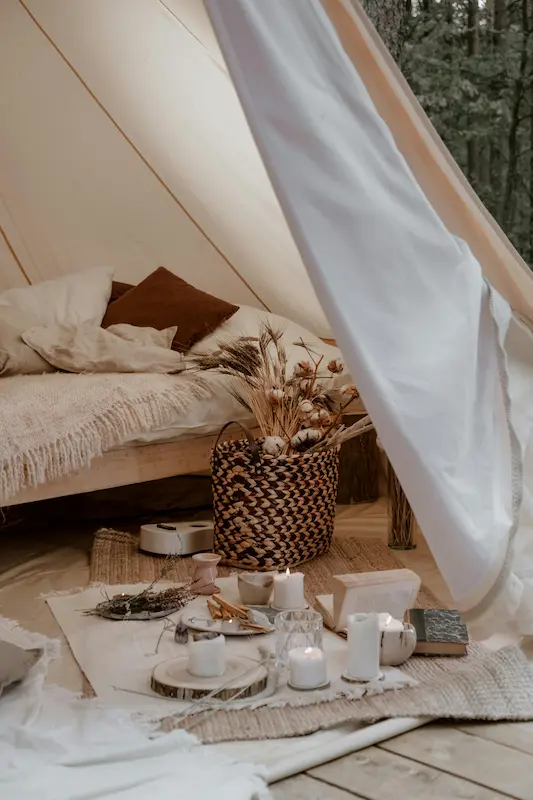
There’s a funny thing happening in camping culture lately: a lot of people who genuinely love tent camping are slowly admitting they also love comfort.
Not luxury resorts.
Not “fake outdoors.”
Just… sleeping better.
Across online camping communities like Reddit’s r/camping, more campers are talking openly about moving from basic tent setups into pop-ups, canvas glamping tents, truck campers, teardrops, and cozy campground cabins — not because they stopped loving nature, but because they want to enjoy it longer, more comfortably, and with less exhaustion.
That’s where modern glamping culture really lives now: somewhere between outdoor adventure and intentional comfort.
Glamping Isn’t “Not Real Camping” Anymore
One of the most common themes in camping discussions is that people eventually reach a point where they simply want rest to be part of the experience.
A comfortable mattress.
A warm blanket.
A dry place during rain.
Coffee without chaos.
A place to read while listening to owls outside.
A lot of longtime campers describe glamping as less about luxury and more about reducing friction.
Instead of spending energy surviving discomfort, they spend that energy actually enjoying the forest, river, mountains, or campsite atmosphere.
You see comments like:
- “I just wanna be comfy.”
- “The AC is the best.”
- “Being able to cook inside is a game changer.”
- “Never having to sleep on the ground again.”
And honestly, that shift makes sense.
For many people, comfortable camping means they can:
- camp more often
- stay longer
- bring family or pets
- enjoy bad weather instead of fearing it
- recover mentally instead of returning home exhausted
The outdoors stops feeling like a challenge to endure and starts feeling like a place to live in for a while.
The Rise of Cozy Camping
Another interesting thing from these discussions is how emotional the setups feel.
People decorate tents with rugs, blankets, lanterns, little shelves, warm lighting, curtains, plants, art prints, and cast iron cookware. Some campers even describe their setups as “tiny woodland apartments.”
That’s why terms like cozy camping and camping aesthetic have exploded online recently.
It’s less about showing off expensive gear and more about creating atmosphere:
- soft textures
- warm lighting
- earthy colors
- slow mornings
- rainy-day comfort
- coffee beside the fire
- listening to nature from inside a warm shelter
A surprising number of campers mention that the emotional comfort matters as much as the physical comfort.
Camping becomes restorative instead of performative.
Glamping Still Keeps the Best Part of Camping
What’s interesting is that almost nobody in these discussions says they want to leave nature behind.
Even the people upgrading to pop-ups or glamping tents still talk most passionately about:
- hearing coyotes and owls at night
- rivers and creeks beside camp
- cooking outdoors
- campfire meals
- hiking nearby trails
- waking up to cold morning air
- rain on canvas roofs
The comfort upgrades don’t replace nature — they remove barriers between people and nature.
For many campers, glamping simply lets them stay immersed longer.
Japan vs America: Two Different Camping Cultures
One especially interesting discussion came from someone who left an office job to work at a campground in Japan, specifically in Chiba.
The comments revealed a really fascinating cultural contrast between Japanese and American camping culture.
In Japan
Camping often feels:
- more curated
- more organized
- more aesthetic-focused
- more comfort-oriented
Many Japanese campgrounds include:
- maintained private sites
- electricity
- hot showers
- rental gear
- carefully designed layouts
- dog-friendly fenced campsites
Wild camping is also much more restricted, so campground culture became highly developed and intentionally designed.
A lot of Japanese campers seem to value atmosphere and peaceful comfort as part of the outdoor experience itself.
In America
Camping culture traditionally leans more toward:
- rugged independence
- dispersed camping
- wilderness access
- self-sufficiency
- roughing it
But recently, the two styles are slowly blending together.
You now see more Americans embracing:
- canvas glamping tents
- cozy campsite aesthetics
- slower camping
- comfort-first setups
- outdoor living rather than survival
At the same time, many campers still want authenticity and connection with nature.
That mix is probably why modern glamping feels so popular now — it balances immersion and comfort at the same time.
Comfort Changes the Rhythm of Camping
One subtle thing many campers mention is that comfort changes time itself.
When your campsite is cozy:
- rainy days become enjoyable
- mornings become slower
- people stay up talking longer
- reading feels natural
- cooking becomes part of the experience
- you stop rushing from activity to activity
The campsite becomes a temporary home instead of just a sleeping location.
And honestly, that might be why so many people eventually drift toward glamping setups even if they started as hardcore tent campers.
Not because they became “less outdoorsy.”
Because they discovered they wanted to stay longer.
Cozy Camp Vibes We Love
If you love the warm, earthy feeling of glamping and cozy camping setups, these blankets fit perfectly into that slower outdoor vibe:
Wandering Warrior Blanket
A cozy woven blanket with earthy nomadic energy — perfect for canvas tent interiors, camp chairs beside the fire, or cold mountain mornings with coffee.
Overland Roamer Blanket
Inspired by overland travel and slow outdoor living, this one fits especially well with glamping setups, camper vans, and relaxed forest campsite aesthetics.
Extended Reading : If you enjoy hearing how different countries approach camping culture, this Reddit discussion about someone quitting their office job to work at a campground in Japan is a fascinating read: Just quit my office job and starting working at a campground here in Chiba, Japan!