

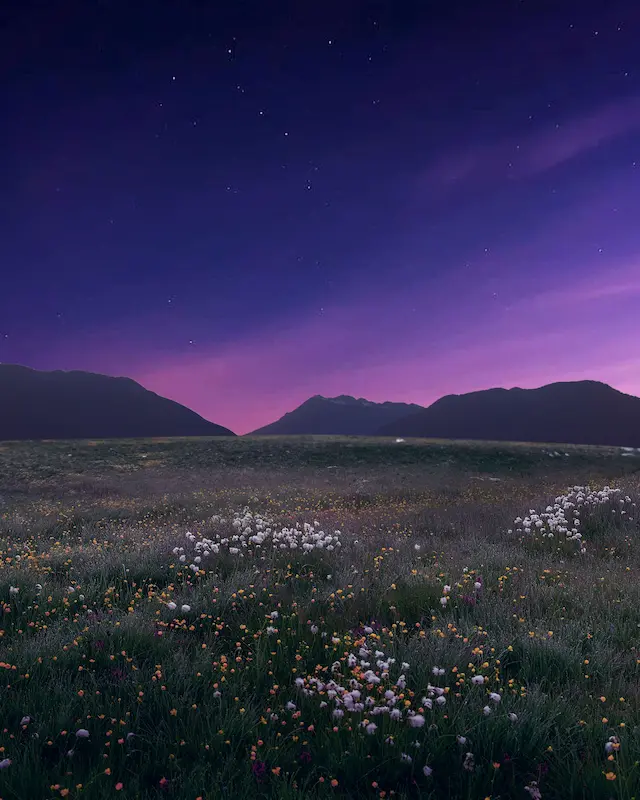
You’re zipped into your tent, half asleep, when you hear it. A rustle in the leaves. Then a low hoot somewhere off in the trees. Your eyes snap open. Your brain starts running through every possible explanation, and it usually picks the worst one first.
If that sounds familiar, you’re in good company. Almost every camper remembers a night when the woods suddenly sounded louder than expected, even people who’ve been doing this for years. The good news is that camping noises at night are almost always something ordinary. Once you know what’s making them, they stop feeling like a threat and start feeling like part of the experience.
Why Every Sound Feels Louder When You’re Camping
During the day, your brain filters out most background noise without you noticing. At night there’s less visual information to work with, so small sounds have more room to fill the quiet. Your senses naturally turn up the volume in an unfamiliar setting.
This effect is strongest on your first solo trip, which is exactly when camping noises at night feel the most unsettling. Without anyone nearby to say “that’s just an owl,” your imagination fills in the blanks, and it rarely picks the boring explanation.
Experienced campers describe a familiar pattern: a jolt of alertness at an unfamiliar sound, then relief once it turns out to be something harmless. Maybe it’s a raccoon investigating a food wrapper. Maybe it’s wind shifting a tent’s rainfly. Over time, that startled-then-relieved cycle gets shorter, until most sounds barely register at all.
The Sounds You’re Most Likely to Hear
Knowing what’s actually out there takes a lot of the mystery out of camping noises at night. Here are a few of the most common sources:
- Small mammals moving through leaf litter — raccoons, armadillos, and opossums can sound surprisingly loud for their size, especially in dry leaves
- Owls — a deep, rhythmic hoot, often heard well before or after midnight
- Whip-poor-wills and other nightjars — a repetitive, sometimes relentless call that can go on for a while in the right habitat
- Coyotes — yips and howls that carry a long distance and can sound closer than they are
- Wind and branches — creaking, rustling, or a tent fly snapping in a breeze, usually the real culprit behind “footsteps”
None of these sounds mean an animal has any interest in your tent. Most wildlife wants distance from people, not proximity.
It’s Not About Silencing the Fear — It’s About Understanding It
The goal on a first solo trip isn’t to eliminate every unfamiliar sound. It’s to build a mental library of what’s normal, so your brain stops treating every noise as an emergency. That shift happens with repetition. Hear an owl at 2 a.m. a few times, and it just starts sounding like an owl.
A little outdoor ethic plays into this too. The Leave No Trace Soundscape Guidelines, developed with the National Park Service, encourage campers to keep their own noise footprint low so natural sounds can come through clearly. Learning to listen instead of tuning out is part of what makes camping feel different from a night indoors, and it’s a big part of what people end up loving about it.
Want a head start on recognizing specific calls? The NPS Sound Gallery offers a free library of recordings from parks across the country, covering birds, mammals, and weather sounds, so you can match what you hear in the field to something familiar.
Simple Ways to Sleep Better on Your First Solo Trip
You don’t need to become a wildlife expert to sleep well through camping noises at night. A few practical habits go a long way.
Earplugs Are Underrated Camping Gear
Plenty of experienced campers consider a good pair of earplugs one of the most important things in their pack, right up there with a headlamp. They won’t block out everything, but they take the edge off sudden sounds. That makes it much easier to drift off instead of lying there cataloging every rustle. Foam earplugs are cheap and small, so test a pair at home first to make sure they’re comfortable for a full night.
White Noise and Brown Noise
White noise and brown noise are both types of steady background sound that mask sudden or irregular noises. The first has an even mix of frequencies. Brown noise sits deeper and is often described as more soothing, closer to steady rainfall than static. Download an hour-long track before your trip, and you won’t need cell signal once you’re out there. A pair of comfortable headphones or a small speaker at low volume can turn a tense first night into an easy one.
Bring Something Familiar
A pillow that smells like home, a favorite mug, or a warm blanket you already associate with comfort can do more for your nerves than any piece of gear marketed as “essential.” Familiar textures and scents tell your brain that you’re safe, even somewhere new. It’s one of the simplest, most overlooked tools for a calmer first night outdoors.
Choose a Campsite That Feels Comfortable, Not Isolating
An established campground with other campers nearby is a great place to start if you’re new to solo camping. You still get plenty of quiet and plenty of stars, but you’re not entirely alone with your thoughts on your first attempt. More remote spots start to feel exciting instead of intimidating once you’ve built up a few trips’ worth of confidence.
Key Takeaways
- Nighttime sounds feel louder because your senses are more alert in unfamiliar, quiet settings, not because there’s more danger present
- Most common camping noises come from small mammals, owls, nightjars, coyotes, and wind, none of which typically threaten a tent or hammock camper
- Earplugs and white or brown noise are simple, low-cost tools that help you sleep through normal nighttime sounds
- Bringing a familiar item, like a favorite blanket, can ease first-night nerves more than you’d expect
- Starting at an established campground makes the adjustment to solo camping easier before you head somewhere more remote
Recommended Products
A good blanket does double duty if part of sleeping well outdoors is bringing something that feels like home. The Overland Roamer Blanket is a woven cotton throw with a cozy, familiar weight that layers easily over a sleeping bag on cooler nights, giving you one more reason to feel settled once the sun goes down. The Wandering Warrior Blanket suits campers who like more texture and warmth, tucked around a hammock or draped over a camp chair by the fire, so the whole site feels like your own space instead of just a stop for the night.
Related Reading
Continue Reading on Tropical Adelie
- Why the Scary Camping Stories Are Almost Never About Wildlife
- First Time Solo Camping? Here’s Why Cold Nights Catch Beginners Off Guard
- How to Make Your Campsite Actually Cozy
- Woman Camping Alone: What Nobody Tells You Until You’ve Done It Dozens of Times
Recommended External Resources
- Sound Gallery — National Park Service, a free library of recorded natural sounds from parks across the country, useful for learning to identify wildlife calls before your trip
- Natural Sounds and Night Skies Division — National Park Service, background on how park soundscapes are studied and protected, including the Leave No Trace Soundscape Guidelines
Final Thoughts
The camping noises at night that seem scariest on your first trip are usually the same sounds experienced campers barely notice anymore. That’s not luck. It comes from enough nights outdoors to learn the difference between a threat and an owl. Give yourself that same patience. Pack the earplugs, bring the blanket that feels like home, and let the woods get a little quieter, one trip at a time.