

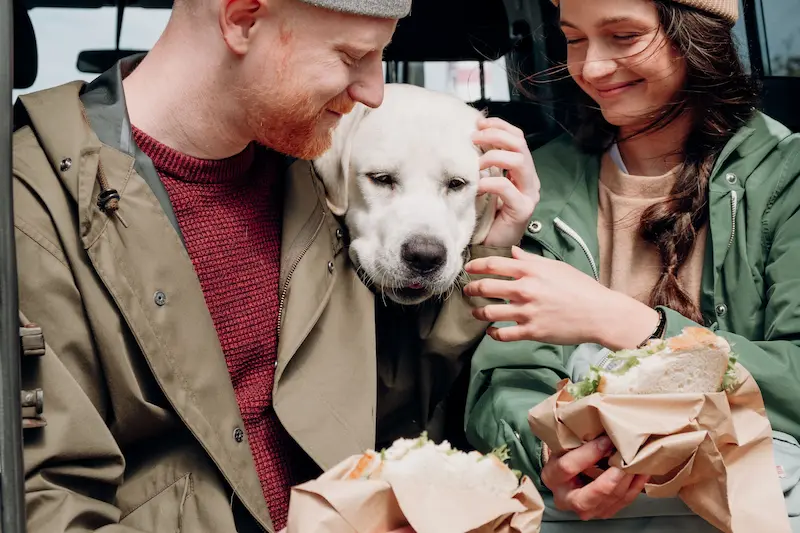
Picture the third hour of a long drive. There’s an empty coffee cup in the holder, a half-eaten bag of chips wedged between the seats, and a growing feeling that you should have eaten something real two hours ago. You pull into a gas station, spend $18 on snacks that don’t quite satisfy, and get back on the road with crumbs in your lap.
It’s a familiar story, and it doesn’t have to be yours. A recent thread on Reddit’s r/roadtrip asked travelers for their best tips, and the most popular answer had nothing to do with apps or routes. It was simply: don’t eat in the car. When it’s time to eat, stop, get out, and eat somewhere you can sit down. The advice was upvoted more than anything else in the thread, and it’s easy to see why.
This guide covers how to put that idea into practice, from packing a cooler to choosing a good place to pull over. It works whether you’re heading to a campground, living the van life, or just driving to see family.
Why “Don’t Eat in the Car” Is the Best Road Trip Tip
You actually enjoy the meal
Eating while driving is a bit like watching a movie while checking email. You do both, and neither is good. When you stop, even for 20 minutes, the food tastes better because you’re paying attention to it. A plain sandwich on a picnic table in the shade feels like a small treat.
It’s a real break from driving
Sitting in one position for hours is tiring, and the fatigue builds up without you noticing. A meal stop gives you a reason to stretch your legs, breathe some fresh air, and reset. Many travelers in the thread said they stop more often than they used to, and arrive less worn out because of it.
Your car stays cleaner
This one is simple. No crumbs, no spilled coffee, no mystery smell of old french fries three days into the trip.
How to Pack a Road Trip Cooler That Actually Works
A good cooler setup is the heart of cheap, tasty road trip food. A few habits make a big difference.
Use two coolers if you can
One commenter swears by this, and the USDA backs the idea. Their food safety guidance suggests packing drinks in one cooler and perishable food in another, since the drink cooler gets opened often and its temperature swings. In practice, that means:
- Cooler one holds sandwich fillings, cheese, deli meat, and anything that needs to stay properly cold. You open it only at meal stops.
- Cooler two holds drinks and snacks. Open it as often as you like.
If you only have room for one, pack food in a smaller cooler inside the larger one, or put the drinks on top where they’re easy to grab.
Freeze water bottles instead of using loose ice
A few frozen water bottles work as ice packs that you can drink later as they melt. No soggy sandwiches, no pooling water, and no hunting for a bag of ice at every stop. Several travelers in the thread freeze their bottles in a hotel mini fridge the night before.
Pack it full, keep it shaded, and cover it up
Air is the enemy of cold. A cooler packed snugly stays cold longer than one with lots of empty space, because there’s less warm air to heat up your food. Keep it out of direct sun, and cover it with something light-colored. The USDA suggests keeping the cooler in a shady spot and covering it with a light-colored blanket, tarp, or poncho to reflect heat. One commenter uses an old reflective windshield shade on top of the cooler in the back of their SUV, which is a clever, free fix.
A quick note on food safety
Cold food should stay cold. The USDA describes the “danger zone” as temperatures between 40°F and 140°F, where food has only a limited time before it becomes a safety risk. As a simple rule, avoid leaving perishable food out for more than two hours, and make it one hour on a hot day. When in doubt, it’s worth tossing it. A little extra ice is a lot cheaper than a bad stomach. usda
Are powered coolers worth it?
Several people in the thread love their electric coolers and 12V fridges, saying they remove the need to buy ice or drain water. Others find that keeping them powered is about as much work as swapping ice. Neither side is wrong. If you take frequent long trips, a powered cooler can be a good investment. For an occasional road trip, a quality cooler and frozen bottles will serve you well.
Easy Road Trip Meals That Need No Kitchen
You don’t need a camp stove to eat well. Here are the kinds of foods that travelers in the thread keep coming back to:
- Sandwich supplies: bread, peanut butter and jelly, cheese, and deli meat. A quick sandwich on a roadside picnic table beats a drive-through every time.
- Cheese sticks, meat sticks, and granola: easy to pack, filling, and good before a hike.
- Fresh fruit: grapes are a favorite because they need no prep and stay cool well.
- Homemade cookies: one commenter packs them for the first few days of a trip, and they make a good treat.
- Cold cuts and a little salad or fruit: a simple lunch that feels like a picnic.
A fun idea for campers: single-serving pancake bags
One camper in the thread portions pancake mix into sandwich bags before the trip. When it’s time for breakfast, you add water, squish the bag until it’s mixed, snip off a corner, and squeeze the batter right into a pan. No bowls, no measuring cups, and cleanup is almost nothing. It’s a lovely way to have a hot breakfast at a quiet rest stop or campsite.
Where to Stop: Finding Good Places to Eat
Part of the fun of skipping the drive-through is finding a nice place to pull over. A few ideas:
- Small roadside parks. The original poster described napping beside a waterfall at a small Michigan pull-off, away from road noise. Another commenter said Michigan’s roadside parks are among the best in the country. Many states have little pull-offs like these, and they often have a picnic table or two.
- City and county parks. Many offer picnic tables, restrooms, and sometimes overnight parking, so check the local rules.
- Rest stops with benches. Larger rest stops often have water fountains where you can refill your bottles.
- Routes off the main highway. Choosing a route that avoids the interstate is how the original poster found that waterfall. Slower roads tend to have more places worth stopping.
One practical tip: a thermos or a small portable kettle makes a big difference. A couple of travelers carry a small battery and an electric kettle, so they can make pour-over coffee at a park bench. It feels like a small luxury, and it costs a fraction of a café stop.
Small Habits That Save Money and Stress
- Carry water bottles and refill them. Rest stops and parks often have fountains.
- Keep a snack basket within reach. A laundry basket works well, since it’s easier to find things than in a bag. Add paper towels and wet wipes.
- Keep wet wipes in a zip-top bag so they don’t dry out.
- Pack a few napkins and a small trash bag. It makes cleanup easy, and it’s part of leaving every stop as nice as you found it.
- Leave room in your schedule. Some of the best stops are the ones you didn’t plan. One commenter keeps each day’s mileage reasonable so there’s time to wander when something catches their eye.
A note on outdoor ethics: wherever you stop, pack out all your trash, and don’t leave food scraps behind. Even small crumbs can attract animals to places where they don’t belong.
Make the Stop Feel Cozy
This is the part we like most. A meal stop doesn’t have to be hurried. Keep a blanket in the car, and when you find a nice grassy spot or a picnic table with a view, spread it out. It makes the bench more comfortable, keeps a cool breeze off your shoulders in spring and fall, and turns a quick lunch into something that feels like part of the trip.
Even on a chilly morning, a warm drink and a soft blanket can make a roadside pull-off feel like your own little campsite.
Keep a blanket in the car, like a woven throw from Tropical Adelie, and when you find a nice grassy spot or a picnic table with a view, spread it out.
Key Takeaways
- Stop to eat instead of eating in the car. You’ll enjoy the food more and get a real break from driving.
- Use two coolers if possible: one for perishables, one for drinks and snacks. Freeze water bottles instead of relying on loose ice.
- Pack the cooler snugly, keep it in the shade, and cover it with something light-colored.
- Simple foods like sandwiches, fruit, cheese, and granola make easy, affordable road trip meals.
- Look for small roadside parks and city parks. A blanket makes any stop feel cozy.
Recommended Products
Overland Roamer Blanket: This woven throw shows a vintage-style green camper van parked under a peach and pink sunset, surrounded by pine trees. It suits a road trip story well. It’s a nice one to keep folded in the back seat, ready to spread over a picnic table bench or a patch of grass when you find a good lunch spot.
Wandering Warrior Blanket: This one has a geometric pattern in terracotta, slate blue, black, and cream, with colorful fringe. The earthy tones look at home outdoors, and it’s a good pick for the car throw: something to tuck over your knees on a chilly morning or hand to a passenger who wants a nap.
- A cozy picnic-friendly blanket: a soft, easy-to-fold blanket that lives in the back seat and comes out whenever you find a nice patch of grass or a cold picnic table.
- A throw for the car itself: useful for chilly mornings, long drives, and passengers who nap.
Related Reading
Continue Reading on Tropical Adelie
- Beach Camping for Beginners: The Small Annoyances and Big Joys: a good next read if your road trip ends at the coast.
- More from the Cozy Outdoors category: for camp cooking, campsite setup, and seasonal camping ideas.
Recommended External Resources
- Serve Summer Safe with Food Safety Tips from USDA, U.S. Department of Agriculture: cooler packing and food safety for trips.
- Food Safety for Camping, Clemson University Home & Garden Information Center: simple guidelines for keeping food safe outdoors.
- The Seven Principles of Leave No Trace, Leave No Trace Center for Outdoor Ethics: good habits for leaving every stop clean.
Final Thoughts
A road trip doesn’t have to be a blur of gas stations and fast food. With a cooler, a few simple meals, and the habit of pulling over to eat, the drive itself becomes part of the trip. You arrive less tired and a little richer, and you’ve probably found a quiet spot or two along the way. So next time you’re planning a drive, pack a lunch, toss a blanket in the back, and leave some room to stop wherever looks inviting. Those unplanned stops are often the ones you’ll remember.