

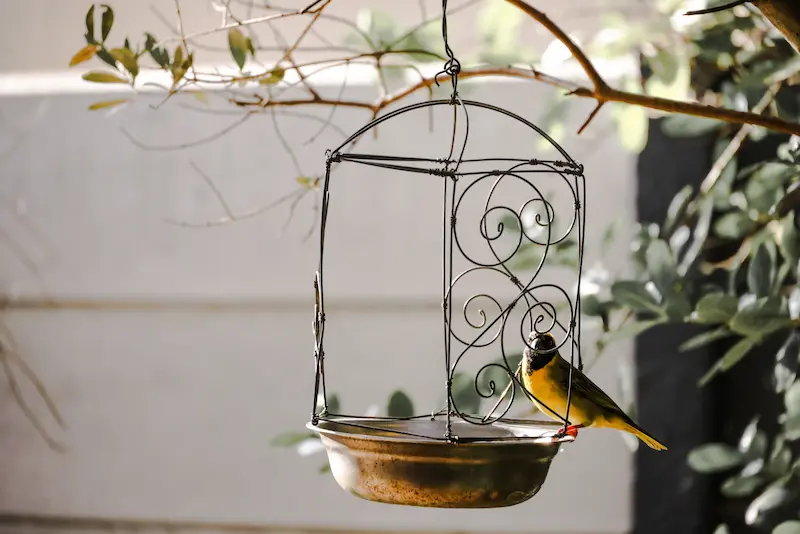
Living in a city can make spending time in nature surprisingly difficult. You may be surrounded by buildings, roads, and concrete, while the nearest proper park or natural area is an hour away.
That can make the usual advice to “go for a walk in nature” rather impractical.
But enjoying nature doesn’t always require a forest, hiking trail, or large public park. You can find small pieces to enjoy nature in the city, bring living things into your home, and build simple habits around noticing what is already there.
Here are some practical ways to enjoy nature in the city, even when green space is limited.
Start With the Nature That Is Already Around You
When people think about nature, they often picture forests, mountains, beaches, or large parks. In a heavily built-up city, that definition can make nature seem completely absent.
Try looking at a smaller scale instead.
Find One Tree
One Reddit commenter described living in an urban environment where there was only one tree nearby. Rather than needing a large green space, they simply spent time sitting under that tree.
A single tree can become surprisingly interesting when you see it repeatedly.
You might notice new leaves appearing, flowers opening, fruit developing, insects arriving, or birds using its branches. Its appearance will change with the weather and seasons even if the buildings around it remain exactly the same.
You don’t have to find the perfect park. Find one piece of living nature that is easy for you to reach.
Look Up at the Sky
The sky is one part of nature that remains accessible to enjoy nature in a dense city.
Clouds, sunlight, rain, sunsets, moon phases, and changing weather can all become things to notice during an ordinary day.
You could make a habit of looking outside before starting work, watching the sunset from a window, or checking the moon when you go outside at night.
These observations take almost no time and don’t require travelling anywhere.
Search for Small Green Spaces
Your city may have more small pieces of nature than you realise.
Look for:
- street trees
- small public gardens
- university grounds
- riversides and canals
- cemeteries
- community gardens
- plant nurseries
- private gardens that occasionally open to visitors
- small patches of greenery between buildings
They won’t replace a forest, and some cities genuinely have very little accessible green space. The point is simply to discover what is realistically available rather than waiting for an ideal natural environment.
Bring Living Nature Into Your Home
When outdoor access is limited, your home can become another place where you interact with living things.
This doesn’t mean turning your apartment into a jungle. Even a small amount of greenery can give you something to observe and care for.
Grow a Few Useful Plants
Herbs are a particularly practical place to start.
Mint, basil, rosemary, or other suitable herbs can live on a sunny windowsill or balcony, depending on your climate and growing conditions. They also become part of everyday life because you can use them while cooking.
Other possibilities include balcony plants, flowering plants, climbing plants, or vegetables grown in containers.
The useful part isn’t simply having something green to look at. You get to watch something change over time.
Try a Terrarium
A terrarium creates a tiny living environment inside a container.
For someone without access to much outdoor greenery, this can provide a different kind of nature experience. You can observe plants growing, moisture collecting, and small changes taking place inside a very limited space.
It is nature at a much smaller scale, but it is still something alive and changing.
Consider a Planted Aquarium
A planted aquarium is another option if you enjoy watching rather than tending plants.
With suitable aquatic plants and animals, an aquarium can become a small ecosystem that changes from day to day. You may find yourself watching plant growth, animal behaviour, water movement, and the interactions between different parts of the system.
It requires more care than a windowsill herb garden, so it isn’t necessarily the easiest option. But for someone who enjoys observing small ecosystems, it can be an interesting way to bring another form of nature indoors.
Make Nature Something You Notice
One of the most useful ideas from the discussion is that you don’t always have to go somewhere to experience nature.
You can practice noticing it where you already are.
Keep a Small Nature Notebook
You don’t need to be a naturalist or an experienced journal keeper.
Write down small observations:
- when you first noticed new leaves on a tree
- which birds appeared near your window
- an unusual cloud formation
- the first flower you noticed that season
- changes in the weather
- insects you saw on a plant
- the changing appearance of one familiar place
A notebook gives these small observations somewhere to accumulate.
Over time, something that initially looked like “just one tree” can become a record of an entire year.
Try Sketching
You can also use a small sketchbook.
The goal doesn’t have to be producing a beautiful botanical illustration. Drawing requires you to look closely at shapes, textures, proportions, and small differences.
A leaf on your desk can give you something to study for ten minutes. So can a mushroom, flower, bird, seed pod, or branch.
You don’t need a wilderness setting to practice looking carefully at the natural world.
Watch Birds
Birds can be one of the easiest forms of wildlife to notice in cities.
A window, balcony, street, or courtyard may be enough to start. A small pair of binoculars can help if you’re somewhere with a useful view.
What you see will depend heavily on where you live, so there is no guarantee that your neighbourhood will suddenly become a birdwatching destination. But even noticing the same few species repeatedly can make an ordinary place feel more familiar.
Create Small Nature Rituals
You don’t need to build a complicated routine around nature.
Small repeated actions can be enough.
You might:
- watch the sunset from the same place
- check the sky each morning
- observe the moon through the month
- water your herbs while making breakfast
- sit under the same tree once a week
- photograph the same plant as it changes
- listen for birds before looking at your phone
- take a few minutes to notice the weather before leaving home
The value comes from repetition.
A single sunset is easy to forget. Watching the same view through different seasons gives you a much richer sense of change.
Use Nature Sounds and Images When Going Outside Isn’t Possible
Sometimes the problem isn’t simply distance.
Extreme heat, illness, mobility limitations, work schedules, bad weather, or other circumstances can make outdoor time difficult.
In those situations, nature sounds and visual recordings can still be useful additions.
You could listen to birdsong, rain, or forest sounds while working. You could watch a live wildlife camera, a walking video, or footage of a landscape you enjoy.
These aren’t substitutes for being outside. A screen cannot give you the same experience as standing under a tree or walking beside water.
But when direct access isn’t possible, they can still provide another way to bring natural sights and sounds into an otherwise artificial environment.
Build Your Own Nature Map
Instead of searching for one perfect park, try making a personal map of the small natural places available to you.
Your map might include:
- a favourite tree
- a street with interesting birds
- a quiet garden
- a plant nursery
- a good place to watch the sunset
- a river or canal
- a small public garden
- a viewpoint
- a seasonal flower patch
None of these places needs to be spectacular.
The goal is to know where nature exists within the radius of your ordinary life.
This can also change how you move through a city. A route that used to be simply the way to the shop might become the route where you pass a particular tree or watch for a certain bird.
Bring a Little Nature Into Your Space
If you don’t have much greenery outside your window, you can also bring the feeling of the natural world into the spaces where you spend your time.
The Authentic Mushroom Blanket from Tropical Adelie features detailed mushroom forms inspired by the natural world, bringing a quiet woodland character into an everyday space.
It can work well for slow mornings, reading by the window, sketching, or simply keeping warm while spending time at home. Rather than trying to recreate an entire forest indoors, it is a small visual reminder of the living world beyond the concrete around us.
Explore the Authentic Mushroom Blanket
Key Takeaways
- You don’t need a large park or forest to start noticing nature.
- A single tree, a bird, the sky, or seasonal changes can become part of your everyday experience.
- Plants, terrariums, and aquariums can bring living systems into your home.
- Keeping a notebook or sketchbook can turn casual observation into a regular practice.
- When outdoor access is genuinely limited, nature sounds and videos can supplement direct contact with nature.
Continue Reading on Tropical Adelie
If you’re interested in finding more ways to bring nature into ordinary routines, explore Everyday Nature on Tropical Adelie.
Final Thoughts
Living in a city doesn’t necessarily mean living completely apart from nature.
Sometimes the natural world is a large landscape that you travel to. Sometimes it is a tree outside an apartment, a bird on a rooftop, herbs growing on a windowsill, or the sky changing colour above the buildings.
The difference may be less about finding a perfect place and more about noticing the small pieces of nature that can become part of your ordinary day.