

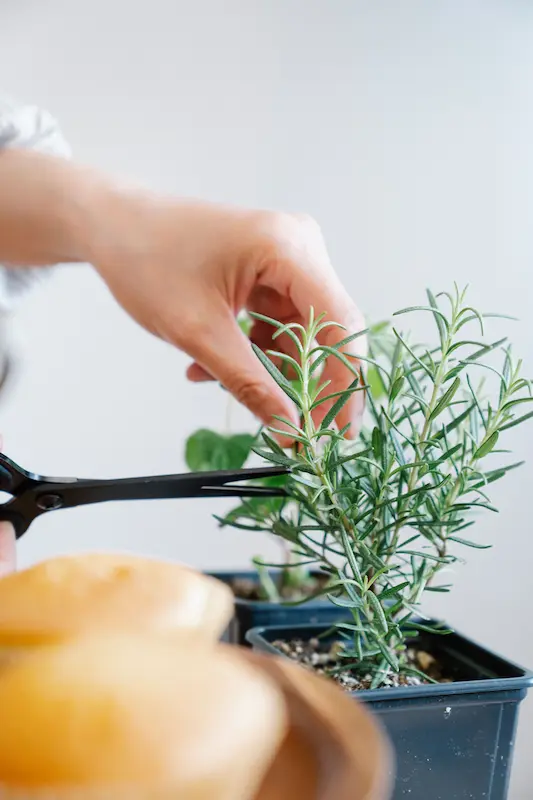
A few pots of herbs can change the feel of a kitchen. Fresh green leaves soften a windowsill, rosemary adds an upright shape to a shelf, and a pot of basil brings a little life to the corner beside the sink. Unlike decorations that simply sit on display, herbs can also become part of everyday cooking.
A decorative indoor herb garden brings these two purposes together. It gives your home a touch of greenery while keeping useful ingredients within reach. The best setup does not need to be elaborate. A sunny windowsill, a few suitable pots, and herbs you actually enjoy using can be enough to get started.
The trick is to design around the plants’ needs as well as the room. Light, drainage, watering, and available space all affect whether an attractive arrangement will remain healthy.
Start With Herbs You Actually Use
Before buying pots or planning a display, think about what you cook. A small garden is easier to maintain when the plants have a clear purpose.
Basil is useful for pasta, salads, and sauces. Chives can be snipped over eggs, potatoes, or soups. Thyme works well with roasted vegetables, while parsley is easy to add to many everyday dishes. Mint is useful for tea and drinks, although it can grow vigorously and is often best kept in its own container.
These herbs also offer different shapes and textures. Basil has broad leaves, chives grow in narrow upright blades, and thyme forms a finer, more compact mound. Combining a few different forms can make a small collection look more considered without requiring decorative accessories.
In a Reddit discussion about which herbs people wanted on their kitchen counters, home cooks repeatedly mentioned familiar choices such as basil, thyme, parsley, chives, cilantro, and mint. Their answers suggest a practical starting point: choose plants that suit your cooking habits rather than trying to grow every herb at once.
For a first garden, begin with two or three herbs. You can always add more once you understand how much light and care your space can provide.
Find the Right Place for Your Indoor Herb Garden
The location often matters more than the number of plants. A decorative indoor herb garden needs to look good in the room, but it also needs enough light and a convenient place for watering.
A Kitchen Windowsill
A bright windowsill is a natural place to start. It keeps herbs close to the cooking area and gives the leaves a simple backdrop against the window.
Check how much direct sunlight the spot receives throughout the day. Many culinary herbs, including basil and thyme, grow best in bright conditions. A window that looks light to you may still provide too little usable light for vigorous growth, especially if buildings, trees, or deep roof overhangs block the sun.
Leave enough room between pots for air to move around the foliage. If the sill is narrow, two well-spaced plants may be more practical than a crowded row.
Open Shelves and Countertops
A shelf can turn herbs into a small living display, particularly when pots share a consistent material or color. Unglazed terracotta, plain ceramic, and simple metal containers can work well with wooden shelves and neutral kitchen surfaces.
However, not every shelf receives enough light for culinary herbs. A decorative arrangement in a dim corner may look attractive at first, but the plants can become weak or stretched as they reach toward a light source.
If the best-looking shelf is too dark, keep the herbs near a bright window and use the shelf for empty pots, gardening tools, or other botanical details instead.
Countertops offer easy access, but keep the garden away from cooking splashes, hot surfaces, and places where pots will interfere with food preparation. A small tray can help group containers and catch minor spills, although each pot still needs suitable drainage.
Wall-Mounted Planters
Vertical planters are useful when counter space is limited. They can bring greenery into a small kitchen or dining area without taking up much floor space.
The main challenge is access. Wall-mounted containers should be easy to water, inspect, and harvest. Make sure the wall and mounting system can support the filled planters, and protect the surface from moisture.
Before installing anything, check the available light at the intended height. A wall may be convenient for display but unsuitable for growing herbs if it receives very little natural light.
Choose Pots That Look Good and Work Well
Containers have a strong influence on the appearance of a small herb garden. They also affect how easily the plants can grow.
For a calm, coordinated look, try one of these approaches:
- Matching pots: Use the same style in two or three sizes for a tidy arrangement.
- Natural materials: Terracotta and simple ceramic pots add texture without competing with the leaves.
- A collected look: Combine a few different pots in a shared color family, such as warm white, muted green, or earthy brown.
- A single long planter: Group several herbs in one container if their growing needs are compatible and there is enough room for their roots.
Whatever style you choose, drainage should come first. Most culinary herbs need a growing medium that drains well, and roots can suffer if they remain waterlogged. If you use a decorative pot without drainage holes, keep the plant in a separate nursery pot with drainage and remove it for watering when necessary. Do not allow water to collect unnoticed at the bottom.
A useful rule is to choose containers for the plants first and coordinate their appearance second. Beautiful pots cannot compensate for poor growing conditions.
Make a Small Herb Garden Look Intentional
A small herb garden can look attractive without becoming a carefully staged display. A few simple choices help it feel connected to the rest of the room.
Repeat One Material or Color
You do not need every pot to match. Repeating one detail is often enough to make the arrangement feel cohesive. For example, several terracotta pots can sit comfortably beside a white ceramic planter, or a group of neutral containers can share a wooden tray.
Consider the colors already present in the room. Green foliage tends to stand out against pale walls and natural wood, while darker leaves can create a stronger contrast against light surfaces.
Vary the Height and Shape
Plants with different forms add visual interest. An upright herb such as chives can sit beside a fuller basil plant, while a compact thyme plant creates a lower layer.
Use differences in plant height rather than stacking pots precariously. Keep every container stable and make sure the leaves are not pressed tightly against windows or neighboring plants.
Leave Some Empty Space
A crowded arrangement can make both the plants and the room feel untidy. Give each pot enough space for growth, and leave part of the counter or windowsill clear.
This also makes maintenance easier. You will have room to lift pots, check the soil, trim leaves, and clean the surface underneath. A small garden that is easy to care for is more likely to remain part of your daily routine.
Combine Edible Herbs With Decorative Plants
A beautiful indoor herb garden does not have to contain culinary herbs alone. You can place herbs alongside ornamental plants in the same area to create a fuller display, provided each plant has suitable light, water, and space.
For example, a kitchen windowsill might hold basil and chives alongside a small foliage plant suited to the same light conditions. On a nearby shelf, a trailing houseplant could add a different shape without taking up space needed for harvesting.
The important distinction is that plants with different care requirements should not automatically share one planter. A moisture-loving plant and a herb that prefers drier soil may be easier to manage in separate pots. This gives you more control over watering and prevents one plant’s needs from affecting the others.
If you want a softer, more collected look, use the surrounding space as part of the design. A wooden cutting board, a small bowl for harvested leaves, or a simple botanical print can complement the greenery without filling every available surface.
Keep the Garden Healthy With a Simple Routine
A decorative indoor herb garden should be manageable on an ordinary weekday. A short routine is often more useful than a complicated care schedule.
Check the soil before watering. Do not water every pot automatically just because it is part of the same arrangement. Containers dry at different rates depending on their size, the plant, the growing medium, and the amount of light they receive. Check the soil and water according to the needs of each herb.
Watch for changes in the leaves. Pale growth, long weak stems, or leaves that drop unexpectedly can indicate that a plant is not getting the conditions it needs. Too little light is one possible cause of stretched growth, so observe how the plants respond to their location.
Harvest a little at a time. Regularly using herbs in meals gives the garden a purpose, but avoid removing so much foliage that a plant struggles to recover. Follow the harvesting needs of each herb, and trim plants in a way that encourages healthy growth.
Keep the growing area clean. Remove fallen leaves, wipe up spilled water, and check the undersides of leaves for signs of pests. If a plant develops a persistent problem, move it away from neighboring plants while you investigate.
Start Small and Let the Garden Evolve
You do not need to buy a complete set of containers or redesign the kitchen to create a beautiful indoor herb garden. Start with the brightest suitable spot, choose a couple of herbs you use regularly, and see how they grow.
After a few weeks, you will know more about how quickly the soil dries, which plants thrive in the available light, and how much space you actually have. You may discover that one long planter works better than several individual pots, or that a shelf is more useful for gardening supplies than live plants.
A small garden can also change with the seasons. You might grow basil during the brighter months, replace a struggling plant with a better-suited herb, or rearrange the containers when the light shifts. The arrangement does not need to remain fixed to be beautiful.
The most useful design is one that fits the way you live. When herbs are easy to reach, simple to care for, and pleasant to look at, they become part of the kitchen rather than another project to maintain.
Key Takeaways
- A decorative indoor herb garden works best when it combines useful herbs with suitable light and growing conditions.
- Start with two or three herbs you regularly cook with, such as basil, chives, parsley, or thyme.
- Use pots that complement your home, but prioritize drainage, root space, and easy watering.
- Match plants to the light available instead of choosing a location for appearance alone.
- Keep the arrangement simple enough to harvest, clean, and maintain as part of everyday life.
Recommended Products
Overland Roamer Blanket
A few living plants can bring greenery into a room, while natural textiles add another layer of texture. The Overland Roamer Blanket is woven from 100% cotton and comes in earthy colors, including Forest Green, Sage Mint, and Terracotta. Drape it over a nearby reading chair or sofa to complement a home filled with plants, natural materials, and quiet botanical details.
Continue Reading on Tropical Adelie
- Create a Goblincore Collection at Home — ideas for displaying natural finds and building a home collection around curiosity.
- How to Make Your Room More Cozy: A Cottagecore Guide to Nature-Inspired Living — ways to use natural materials, greenery, and texture indoors.
- Step Outside: A Simple Daily Habit That Helps You Reconnect With Nature — small ways to notice nature in everyday routines.
Recommended External Resources
- Herbs in Containers — Royal Horticultural Society: practical advice on choosing containers, growing medium, watering, and caring for herbs in pots.
- Lighting for Indoor Plants and Starting Seeds — University of Minnesota Extension: guidance on matching plants to indoor light and recognizing signs of insufficient light.
- What 1–3 Herbs Do You Want Growing on Your Countertop? — Reddit: a home-cook discussion that offers ideas for choosing herbs people actually use.
Final Thoughts
A few herbs on a windowsill will not turn a kitchen into a garden, and they do not need to. Their value lies in the small, practical details: fresh leaves within reach, green growth beside the window, and a living part of the room that changes over time.
Start with the space you have and the herbs you enjoy. Let the garden grow at a pace that suits your home, rather than trying to make every corner look finished at once.