

You’re lying in your tent, half asleep, when you hear it: a heavy rustle in the brush, then a low, guttural sound you can’t place. Your brain immediately jumps to the worst-case scenario. Wolf? Bear? Something worse?
If you’ve ever spent a night camping alone, you know that feeling. campAnd if you’ve ever swapped scary camping stories with other campers, you’ve probably noticed a pattern: the scariest moment almost never turns out to be the animal everyone assumed it was. Sometimes it’s a wild boar mistaken for a wolf. Sometimes it’s a deer tripping over a tent line. And sometimes, the real source of unease has nothing to do with wildlife at all.
Understanding why our brains jump to worst-case conclusions—and what’s usually actually going on—can make a huge difference in how comfortable you feel camping solo or with a small group.
Why “Scary” Animal Sounds Are Usually Something Ordinary
There’s a good reason nighttime noises sound so much scarier than they actually are. In the dark, without visual context, your brain fills in the gaps with whatever feels most threatening. This is a normal survival response, not a sign that something’s actually wrong.
One camper described waking up in Normandy, France, to what looked exactly like a European wolf standing near the tent—only to realize in daylight it was a wild boar. Boars are stocky, low to the ground, and move with a similar rustling gait to canines, especially when you’re catching a glimpse through half-open eyes at 3 a.m.
This mix-up is more common than you’d think:
- Deer often sound much larger than they are, especially when they’re startled and crashing through brush
- Moose make deep, guttural vocalizations that can sound almost predatory
- Ground squirrels and raccoons create surprisingly loud rustling for their size
- Horses grazing near a campsite can sound like heavy, unfamiliar footsteps
One camper in the Adirondacks lost their headlamp and spent an uneasy night listening to an unidentified animal moving nearby, convinced it might be a bear. In daylight, other campers pointed out it was almost certainly a deer—an animal with a habit of stomping, snorting, and generally sounding far more dramatic than it looks.
How to Tell the Difference (Without a Flashlight)
If you wake up to an unfamiliar sound, a few quick mental checks can help:
- Rhythm matters. Predators tend to move deliberately and quietly. Deer, boar, and other grazing animals are often clumsy and noisy.
- Repeated snorting or huffing is a classic deer or elk sound, not a predator sound.
- A single loud crash followed by silence is usually a startled animal running off, not something approaching.
Most of the time, whatever’s out there is just as startled by you as you are by it.
The Real Fear Campers Talk About: Other People
Here’s the part that surprises a lot of new campers. When experienced campers—especially solo travelers and women—talk about what actually scares them outdoors, the answer usually isn’t wildlife. It’s other people.
One camper shared an experience at a group camp in the Serengeti, where a staff member attempted to enter her tent at night. It’s the kind of story that reshapes how someone thinks about solo travel—not because nature is dangerous, but because unpredictable human behavior is much harder to prepare for than an animal encounter.
This shift in perspective comes up again and again in camping communities. Wildlife, for the most part, behaves predictably if you understand basic behavior and give animals space. People are the wildcard.
Practical Ways to Feel Safer, Especially Solo
None of this means camping alone is a bad idea—plenty of people camp solo safely and confidently every year. It just means safety planning should include people, not only animals.
A few things experienced solo campers recommend:
- Share your location with someone before you go, and check in on a schedule
- Choose established, reputable campgrounds when you’re new to solo travel, especially in unfamiliar countries
- Trust your gut if a situation feels off, even if you can’t explain why
- Keep your tent zipped and staked properly, and consider a site with other campers nearby if you’re new to sleeping alone outdoors
- Carry a simple deterrent, like a whistle or personal alarm, if it helps you feel more at ease
Some campers also carry a knife or bear spray, less because they expect to need it and more because having a plan reduces anxiety. If you go this route, check local laws first—rules around carrying blades or bear spray vary a lot by state, national park, and country.
When a Campsite Just Feels Off
Every once in a while, campers describe an experience that’s hard to categorize: not a clear threat, just an unsettled feeling. A camper in Utah’s Uinta Mountains described coming across a crashed truck and abandoned gear on a solo trip, then spending an uneasy night with no real explanation for what they’d seen. Another camper had a strikingly similar experience in the same area.
There’s no dramatic conclusion here, and there doesn’t need to be one. Remote areas sometimes have unexplained sights—an abandoned vehicle, gear left behind, a quiet stretch of trail that just feels different. Most of the time, there’s a mundane explanation you’ll never know. The lesson isn’t that these places are dangerous. It’s that trusting your instincts is always worth doing, even when you can’t articulate exactly why something feels strange.
If a site doesn’t sit right with you, it’s always okay to move on and find another one. Confidence in the outdoors isn’t about ignoring your gut—it’s about knowing when to listen to it.
Building Confidence Instead of Fear
The goal of sharing scary camping stories like these isn’t to make camping feel scarier. It’s the opposite. Once you understand that most “predator” sounds are deer, that most unsettling moments resolve without incident, and that basic precautions go a long way with human safety, camping starts to feel a lot more manageable.
A few habits make a real difference:
- Learn the common wildlife sounds in whatever region you’re camping in before you go
- Set up camp before dark whenever possible, so you’re familiar with your surroundings
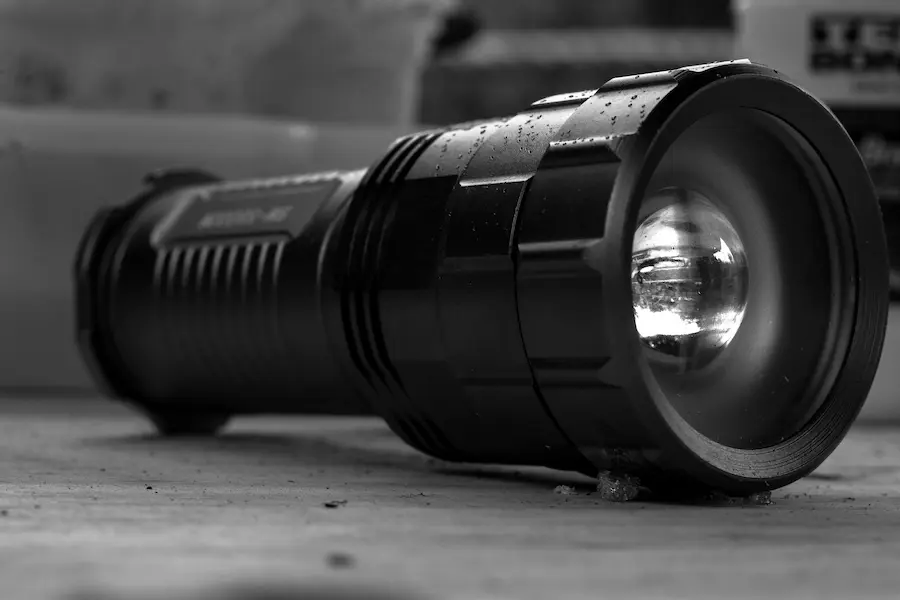
- Keep a headlamp within reach (and a backup, since losing one at night is more common than you’d think)
- Camp near a running water source or breeze if silence makes you anxious—ambient noise can help
Comfort outdoors comes from preparation and experience, not from eliminating every unknown. The more nights you spend outside, the easier it becomes to read a situation calmly instead of jumping to the scariest explanation.
Key Takeaways
- Most alarming nighttime animal sounds turn out to be harmless, ordinary wildlife like deer, boar, or moose
- Unpredictable human behavior, not animals, is what experienced campers—especially solo travelers—tend to find most concerning
- Trusting your gut about a campsite that feels “off” is always a reasonable choice, even without a clear explanation
- Basic precautions (sharing your location, choosing established sites, keeping backup lighting) go a long way toward feeling secure
- Confidence outdoors comes from understanding what’s normal, not from avoiding the outdoors altogether
Recommended Products
If nighttime jitters are part of what keeps you up, having a warm, familiar layer nearby can genuinely help you settle in. The Overland Roamer Blanket is built for exactly this kind of moment—sturdy enough to bring on a van life trip or a solo backcountry stay, but soft and comforting enough to wrap around your shoulders when you want that extra sense of security by the fire or in the tent.
For campers who like a bit of personality in their gear, the Wandering Warrior Blanket brings a bold, grounded pattern that feels right at home on solo adventures—a small reminder that you’re capable and prepared, even on the nights that feel a little uncertain.
Related Reading
Continue Reading on Tropical Adelie
- Woman Camping Alone: What Nobody Tells You Until You’ve Done It Dozens of Times
- Camping Alone as a Woman After a Breakup: 7 Things You Learn on Your First Solo Trip
- The Worst Things About Camping (That Feel Fine Until They Happen)
- How to Make Your Campsite Actually Cozy
Recommended External Resources
- “Staying Safe Around Bears” — U.S. National Park Service
- “Sound Gallery” — U.S. National Park Service, Natural Sounds and Night Skies Division
- “How to Solo Backpack” — REI Co-op Expert Advice
Final Thoughts
Scary camping stories that start with “you won’t believe what I heard” almost always end somewhere ordinary—a deer, a raccoon, a gust of wind through the trees. The outdoors isn’t out to get you. With a little preparation, a bit of knowledge about the wildlife around you, and some basic common sense about human safety, camping can feel like exactly what it’s meant to be: restful, grounding, and worth doing again and again. So the next time a strange sound wakes you up at 2 a.m., take a breath. It’s probably just a deer, wondering the same thing about you.